
This post contains affiliate links.
Nine common questions about migration are discussed in this article about Kentucky hummingbirds.
There Are Six Documented Hummingbirds As Kentucky Hummingbirds
There are six hummingbirds documented as Kentucky hummingbirds and two additional hummingbirds identified as Kentucky hummingbirds but not documented as seen in Kentucky.
Kentucky hummingbirds are listed in order of frequency seen:
| Hummingbirds: | Number seen: | Documented: | % seen: |
| Ruby-throated | 34,433 | Documented | 98.89% |
| Rufous | 254 | Documented | 0.73% |
| Allen’s | 61 | Documented | 0.18% |
| Anna’s | 54 | Documented | 0.16% |
| Black-chinned | 17 | Documented | 0.05% |
| Mexican Violetear | 2 | Documented | 0.01% |
| Broad-billed | 0 | Not Documented | 0.00% |
| Broad-tailed | 0 | Not Documented | 0.00% |
| Total seen: | 34,821 |
Click “Documented” link above to see current eBird.org sighting statistics for Kentucky.
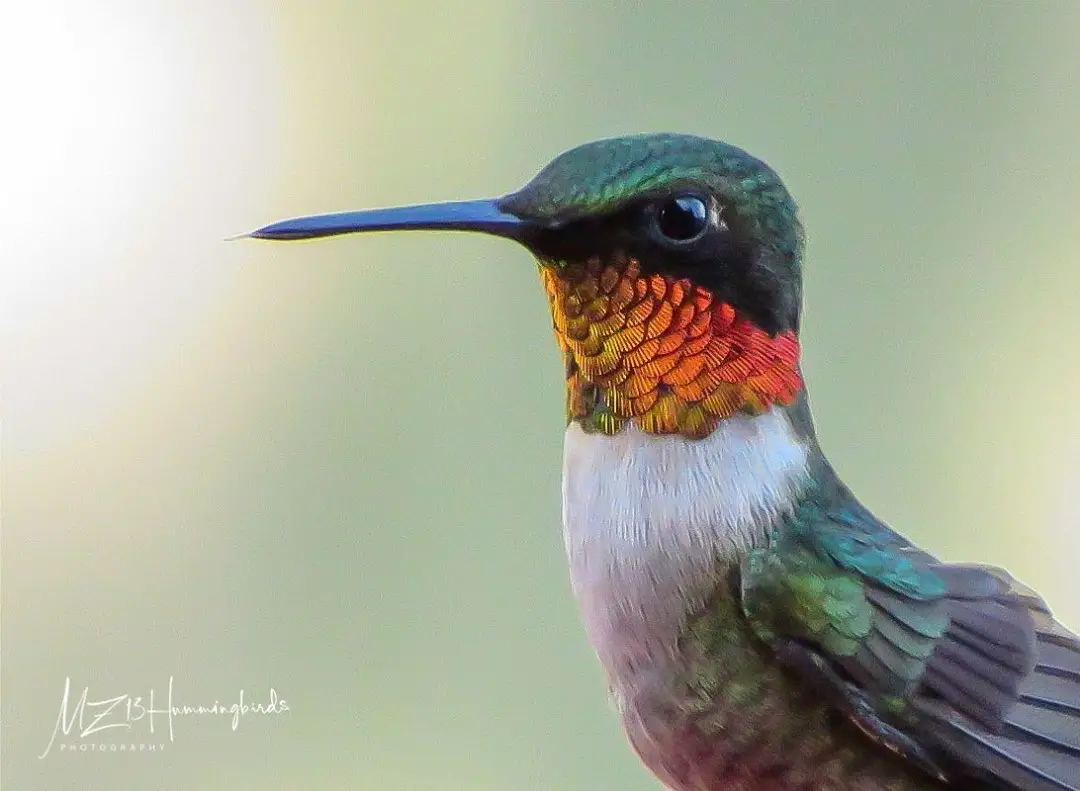
Photo by: mz13hummingbirds
When Do Kentucky Hummingbirds Arrive?
The earliest arrivals of Kentucky hummingbirds are seen in March, and new arrivals continue through June.
Kentucky hummingbirds begin their spring migration north from as far away as Panama or as close as Mexico. Kentucky hummingbirds arrive in Kentucky as early as March, while some late migrators may arrive as late as June. By the end of June, all hummingbirds that are migrating further than Kentucky are gone from Kentucky.
The first migrating hummingbirds will be males, followed by females about a week later. The males arrive first to stake out the territory that they will defend as they try to attract a female.
Ruby-throated hummingbirds are by far the most commonly seen Kentucky hummingbirds, and they will be the first migrating hummingbirds to be seen in Kentucky.
Watch for the male’s vividly colored gorget; a week or so later, the females will begin to appear at your feeders.
See my article: How to Identify a Hummingbird’s Gender in 4 Easy Steps
According to the Missouri Department of Conservation, if Kentucky hummingbird enthusiasts start feeding them when they arrive, there is less of a chance they will move on and will decide to spend the summer in Kentucky.
Kentucky hummingbirds starting their spring migration north from Panama City, Panama need to fly 3,879 miles over land, or 2,052 if flying over the Gulf of Mexico, to reach Louisville.
Kentucky hummingbirds starting their journey north from Mexico at the United States’ southernmost border at Brownsville, Texas, need to fly 1,093 miles to reach Louisville.
Are There Kentucky Hummingbirds That Live In The State Year-round?
There are no hummingbirds that live in Kentucky year-round.
The Rufous hummingbird does have documented evidence of year-round residence in Indiana at the Kentucky/Indiana state line between Evansville and Louisville.
Some claim Anna’s and Mexican Violetear hummingbirds are year-round residents, but there is no documented evidence.
Rufous and Allen’s hummingbirds have been reported as being seen in Kentucky in the winter months.
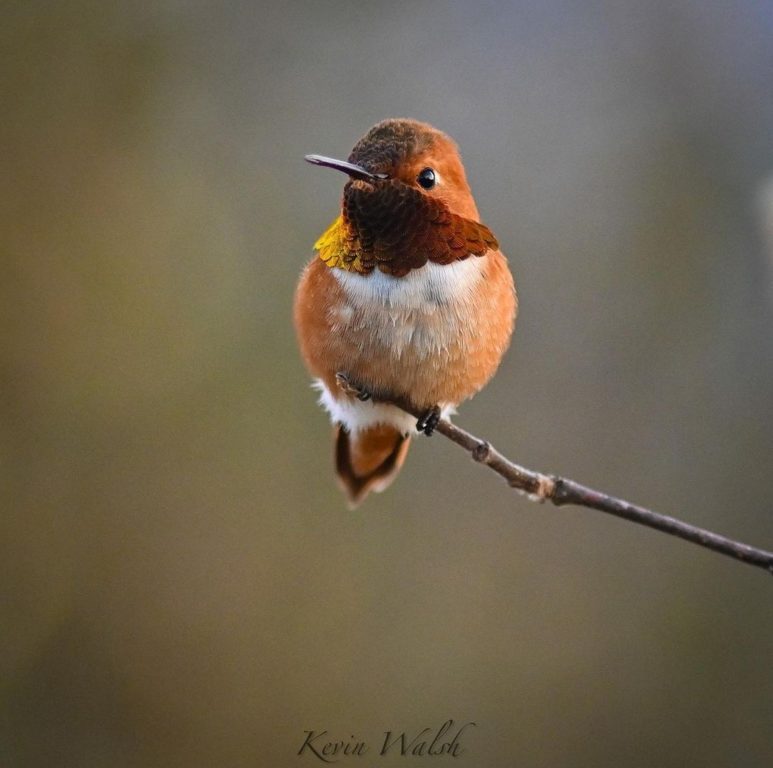
Photo by: Kevin Walsh
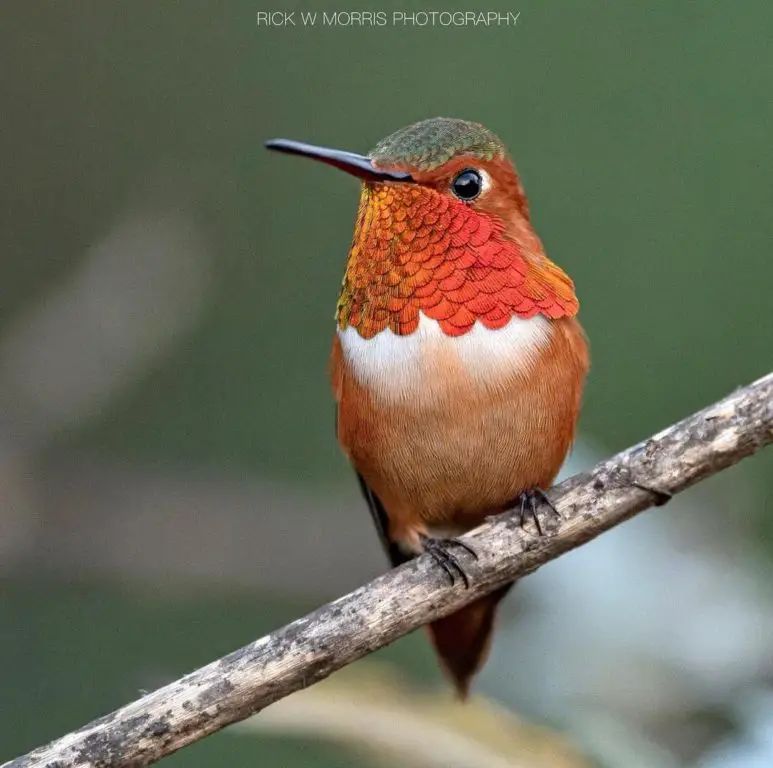
Photo by: IntheWildwithRick
The general public is unaware of how cold-tolerant hummingbirds actually are.
Some banded hummingbirds have been observed at temperatures as low as -9 degrees Fahrenheit with a wind chill of -36 degrees Fahrenheit, according to eBird.org.
Which Kentucky Hummingbirds Breed And Nest In The State?
The Ruby-throated hummingbird is the only hummingbird that breeds and nests in Kentucky.
Ruby-throated – The Ruby-throated hummingbird has an extensive breeding area that covers the entire eastern half of the United States and extends into Canada as far west as Alberta.
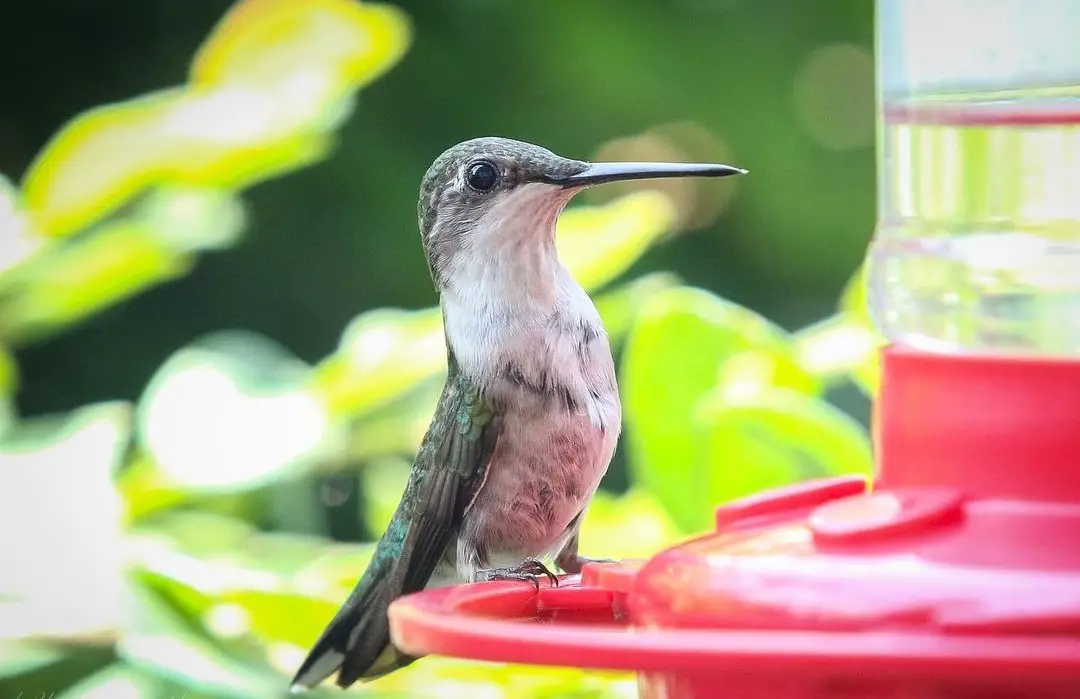
Photo by: Anna Townsend
Taken: Etowah County, AL
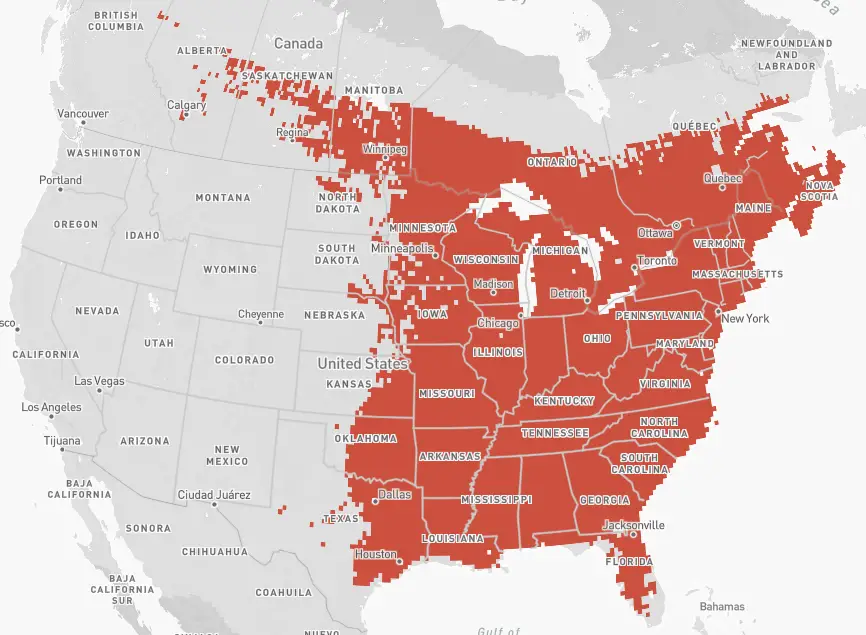
The entire reason for northern migration, much like salmon swimming upstream to their place of birth to lay eggs, is for female hummingbirds to return to the area where they were born to build a nest, mate, and raise a family.
When a female hummingbird arrives at the breeding grounds, her attention shifts to building a nest and then looking for a mate.
Hummingbird females prefer to build their nests in deciduous trees, 10 to 20 feet above the ground.
It will take her between 5 and 7 days to construct the nest of materials such as plant down, moss, and fine plant fibers, decorated with lichens and held together by spider webs.
See my article: Hummingbird Parents: (Mating to Nesting)
See my article: Baby Hummingbirds: (Egg to Fledgling)
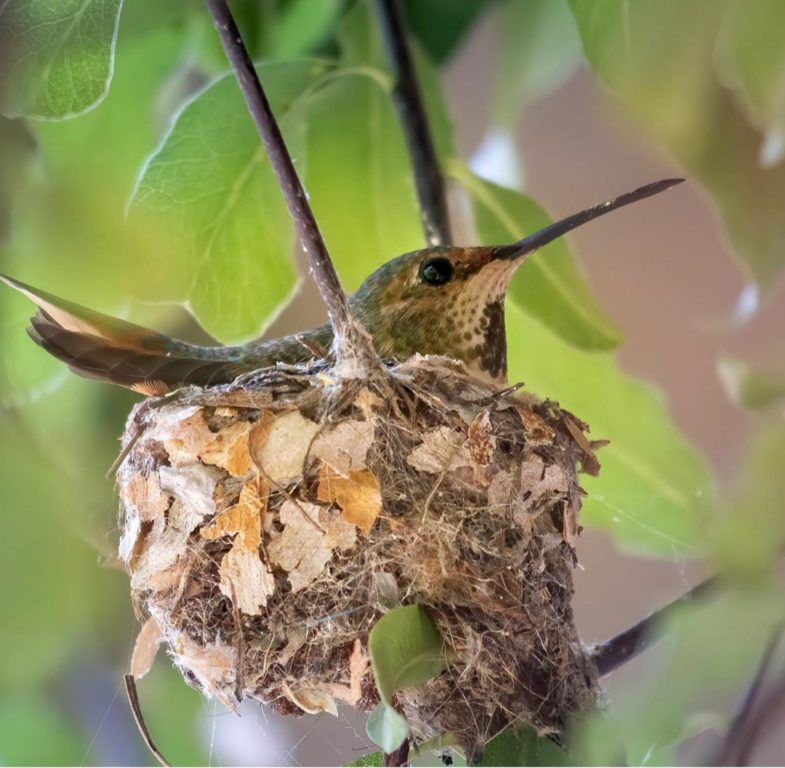
Photo by: Aaron Gomperts
Each species of male hummingbird has its own unique mating dance ritual of courtship to attract a female. They do perfectly choreographed dives and dance maneuvers to attract a flirty female.
See my article: Hummingbird Dance: 5 Interpretive Explanations
During the mating ritual, there is no penetration since male hummingbirds lack external sexual organs.
The “Cloacal Kiss occurs when the cloacae, (pronounced “kloh-ay-see”), of both hummingbirds are brought together during the brief mating procedure, which lasts only three to five seconds.
After the Cloacal kiss, the female must begin building the nest immediately.
Each brood of hummingbirds typically produces two eggs, laid on consecutive days.
The majority of hummingbirds have two broods annually, although some may have more depending on the timing of their migration and the duration of the days they spend in their breeding areas.
Kentucky nesting hummingbirds usually have 2 broods per year but some may have time to work in a third brood.
When Should I Put Up My Feeders For Kentucky Hummingbirds?
Kentucky hummingbird enthusiasts should put out hummingbird feeders in late February to attract the very earliest arriving hummingbirds.
The majority of Kentucky migrating hummingbirds will arrive in May.
If migrating hummingbirds are fed when they start to arrive, there is less chance of them moving on.
Hummingbird aficionados will reduce the likelihood of hummingbirds leaving and electing to spend the summer in that state by providing food for them as soon as they arrive, according to the Missouri Department of Conservation.
Approximately one week after the arrival of the male hummingbirds, the females will follow.
Other Kentucky hummingbirds will continue to arrive until about mid-June.
Hummingbirds seen in Kentucky after mid-June will be hummingbirds that will spend their entire summer in Kentucky.
Make sure to use high-quality nectar solutions in your hummingbird feeders; homemade nectar works best.
See my article: Forget Commercial Hummingbird Food, Try Making Homemade Nectar
See my article: The One Thing You Need to Eliminate From a Hummingbird’s Diet
How Long Do Kentucky Hummingbirds Stay In The State?
Kentucky hummingbirds stay in the state for at least seven months.
They will start arriving as early as late February, and most will be gone by October.
Some Rufous and Allen’s have been seen in Kentucky during the winter, but most migrate south.
The general public is unaware of how cold-tolerant hummingbirds actually are.
Some banded hummingbirds have been observed at temperatures as low as -9 degrees Fahrenheit with a wind chill of -36 degrees Fahrenheit, according to eBird.org.
Some migrating seasonal hummingbirds choose to over-winter in Kentucky, and those too old or injured to migrate will be the only likely hummingbirds Kentucky hummingbird enthusiasts will see during the winter.
The extremely cold-tolerant Rufous hummingbird is the most probable migratory hummingbird to decide to spend the winter in Kentucky.
In Pennsylvania, a state known for its cold harsh winters, the Valley Forge Audubon Society reports winter sightings of the Allen’s, Calliope, Rufous, and Black-chinned hummingbirds.
Because hummingbirds have such long memories, they will revisit the flowers and feeders they frequented during their spring migration and will remember them when they migrate back to the south in the fall.
See my article: Hummingbird Adaptation and Remarkable Ability to Locate Food
The most common Kentucky hummingbird seen during the hot summer months will be the Ruby-throated hummingbird with the Rufous coming in a distant second.
Finding strategies to provide your hummingbirds with cool nectar might be crucial when the summer heat becomes unpleasant and tough to handle.
See my article: How to Help Hummingbirds in Hot Weather
When Do Kentucky Hummingbirds Leave The State?
Kentucky hummingbirds begin leaving the state as early as July, and by late October they have migrated to their overwintering areas in Mexico and Central America.
Most of Kentucky’s migrating hummingbirds are gone by the end of October, but a few stragglers might stay until the end of the year.
A few older hummingbirds will be the first to start the fall migration as early as July, depending on their strength and energy, with the youngest hummingbirds finishing the fall migration by October.
An article from the University of Southern Mississippi states that the hummingbirds that are the oldest will begin their migration earlier than the others.
This elongated migration time frame ensures late straggling migrants have enough food available to fuel their bodies before making the long taxing migration south for the winter.
Some migrating hummingbirds Kentucky will possibly see during the winter are migrating hummingbirds that are too old or injured to migrate.
The circannual (annual internal clock) and circadian (day internal clock) rhythms cause hummingbird migration.
The inclination of a single hummingbird to migrate is triggered by a variety of circumstances, including variations in temperature, time of year, and weather; other causes include a loss in food supplies and a reduction in sunshine due to shortened days.
Similar to spring migration, male hummingbirds are the first to leave and head south for the winter during fall migration. As soon as the female hummingbirds have finished raising their young and can travel independently, they will set out on their southern fall migration.
When Should I Take Down My Feeders For Kentucky Hummingbirds?
Mid-to-late October, or after a few weeks without any hummingbird sightings, is the ideal time to remove Kentucky hummingbird feeders for the winter.
Feeders are left up all winter by some Kentuckians to feed the uncommon winter hummingbirds and those too old or injured to migrate.
The dilemma hummingbird enthusiasts struggle with every year is whether to leave the hummingbird feeders up all year or take them down during the winter.
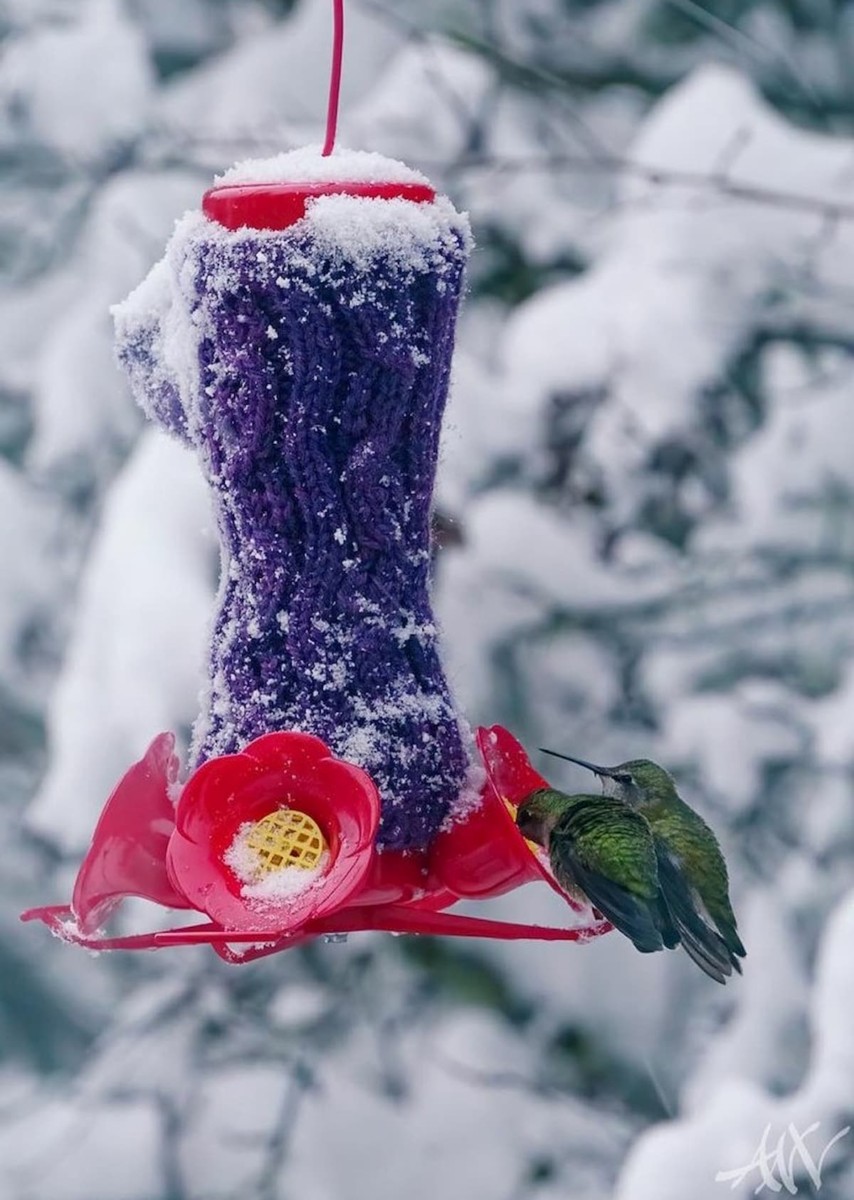
Photo by: Andrea Varju
The challenge then becomes preventing the nectar from hummingbirds from freezing.
See my article: 11 DIY Ways To Keep Hummingbird Nectar From Freezing
Investing in a hummingbird feeder warmer, like the Hummer Health feeder heater, is one approach to preventing hummingbird nectar from freezing.
Unfortunately, it is only compatible with a select few types of hummingbird feeders, like the Aspect’s HummZinger feeder.
The most likely Kentucky hummingbirds an enthusiast will see in the winter months are the Rufous, Allen’s, Anna’s, and Mexican Violetear, and they will depend on the nectar that some hummingbird fans leave up all winter long.
Kentucky hummingbirds Ruby-throated, Black-chinned, Broad-billed, Broad-tailed hummingbirds will not be seen in the winter in Kentucky; they will all decide to migrate south for the winter.
Keeping hummingbird feeders up during the winter is a noble gesture that helps other migrating species that are injured or too old to migrate by providing them with nectar.
See my article: 11 DIY Ways to Keep Hummingbird Nectar From Freezing
See my article: Should I Keep My Hummingbird Feeder Out During the Winter?
Hummingbird enthusiasts who leave hummingbird feeders up all winter provide much-welcome nutrition for late migrators and hummingbirds too old or injured to migrate.
The general public is unaware of how tolerant hummingbirds actually are.
Some banded hummingbirds have been observed at temperatures as low as -9 degrees Fahrenheit with a wind chill of -36 degrees Fahrenheit, according to eBird.org.
See my article: 3 Reasons Why Hummingbirds Are Banded
Hummingbirds that depend on these wintertime feeders may die if hummingbird feeders are taken down in the middle of winter during periods of below-freezing temperatures.
See my article: 11 DIY Ways to Keep Hummingbird Nectar From Freezing
How Long Does It Take A Kentucky Hummingbird To Migrate?
Kentucky hummingbirds require 36 hours of flying at their average migrating flight speed of 30mph to fly from Louisville to the most distant Mexican border 1,093 miles away.
Hummingbirds migrating to Panama 2,052 miles across the Gulf of Mexico, or 3,879 over land, will need to fly 68 hours or 129 hours, respectively.
Some fly at a relaxed distance as slow as 1 hour per day, and others fly up to 500 miles non-stop in about 20 hours, as some do while migrating across the Gulf of Mexico.
Unlike other migrating birds, hummingbirds do not travel in flocks.
Individual hummingbirds travel according to their own internal clock.
This staggered migration pattern ensures resources are not consumed and depleted all at once.
Hummingbirds regularly acquire between 25% and 50% of their body weight as migration draws near, by eating more nectar from feeders and blooming plants and collecting more insects in midair for protein.
This rise in body fat provides the hummingbird with energy for its protracted migration flight.
Expect to see an increased volume of southern migrating hummingbird visitors to your feeders in Kentucky during this fall migration from late July through October.
Hummingbirds that stopped by your feeders in the spring will remember exactly where it is, and they will probably stop by again en route to their overwintering grounds in Mexico and Central America.
See my article: Hummingbird Adaptation and Remarkable Ability to Locate Food
Where do Kentucky hummingbirds go in the winter?
Kentucky Hummingbirds, Ruby-throated, Rufous, Allen’s, Anna’s, Black-chinned, Mexican Violetear, Broad-billed, and Broad-tailed travel south to overwinter in Mexico, Guatemala, Belize, Honduras, El Salvador, Nicaragua, Costa Rica, and Panama.
Ruby-throated – The Ruby-throated hummingbird overwinters primarily in Mexico, Guatemala, Honduras, El Salvador, Nicaragua, Costa Rica, and Panama. Ruby-throated hummingbirds are seen in some years, during the winter months, in scattered areas throughout the USA including New Mexico, Texas, Florida, Georgia, South Carolina, and North Carolina.
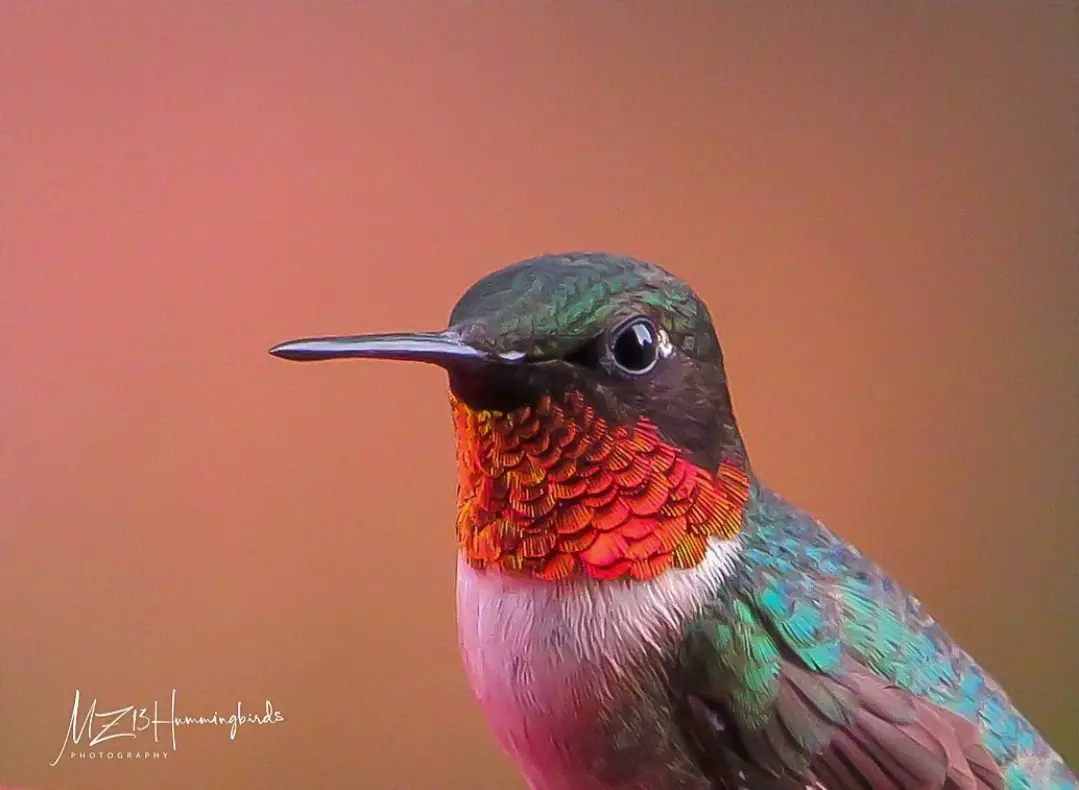
Photo by: mz13hummingbirds
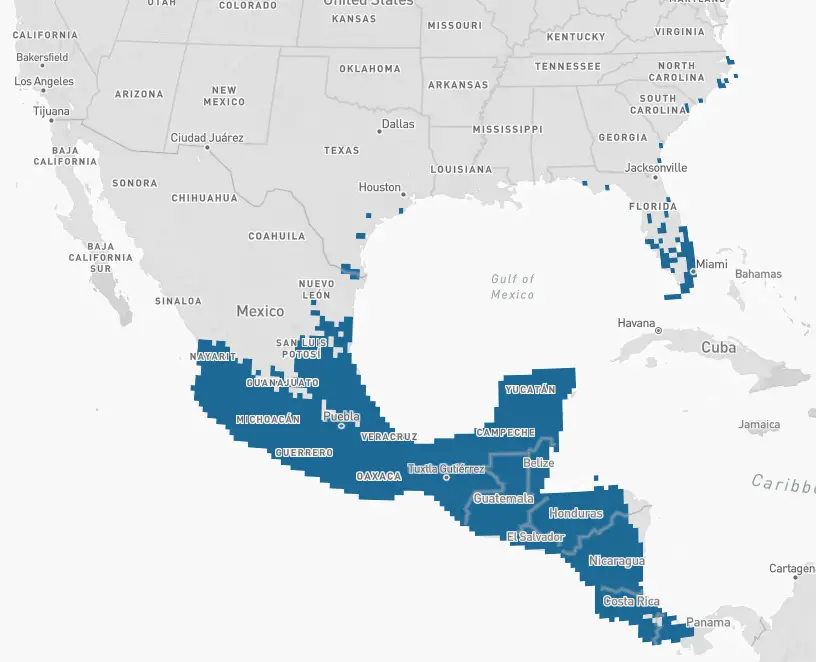
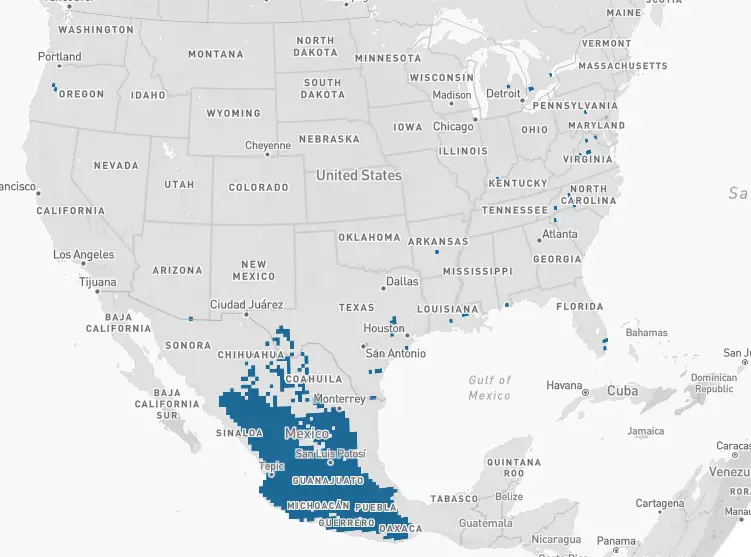
Rufous – The Rufous hummingbird overwinters primarily in Mexico. Rufous hummingbirds are seen in some years, during the winter months, in scattered areas throughout the USA, including New Mexico, Texas, Louisiana, Mississippi, Georgia, Florida, Tennessee, North and South Carolina, Virginia, Kentucky, Missouri, Illinois, Ohio, Pennsylvania, New York, Vermont, Michigan, Wisconsin, and Minnesota.
Photo by: Kevin Walsh
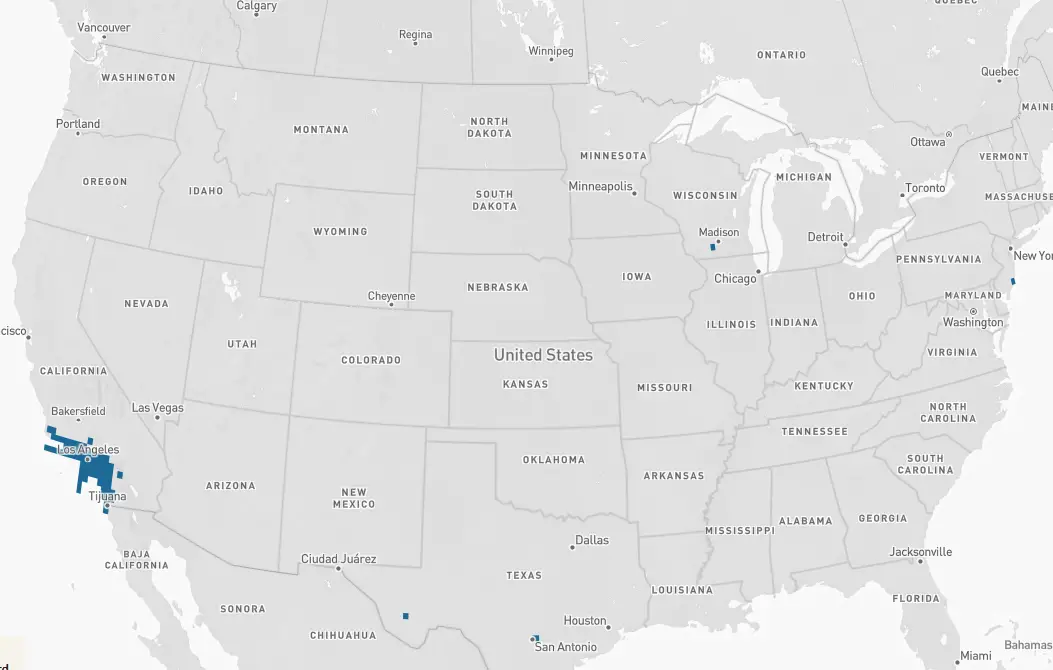
Allen’s – The Allen’s hummingbird overwinters primarily in Southern California. Allen’s hummingbirds are seen in some years, during the winter months, in scattered areas throughout the USA, including Texas, Tennessee, and as far north as Maryland, New York, and Wisconsin.
Photo by: IntheWildwithRick
Anna’s – The Anna’s hummingbird overwinters primarily in southern California and the upper parts of Baja and Mexico. Anna’s hummingbirds are seen in some years, during the winter months, in scattered areas throughout the USA, including Texas, Missouri, Illinois (Chicago area), Maryland, Utah, and Idaho.
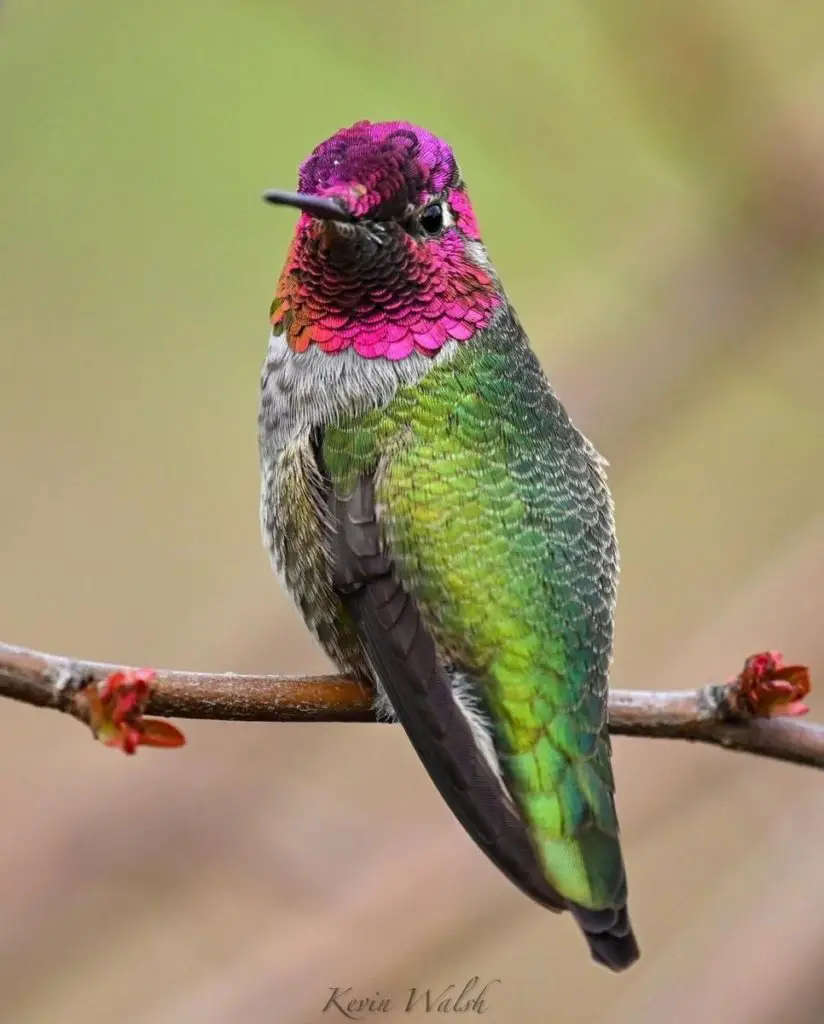
Photo by: Kevin Walsh
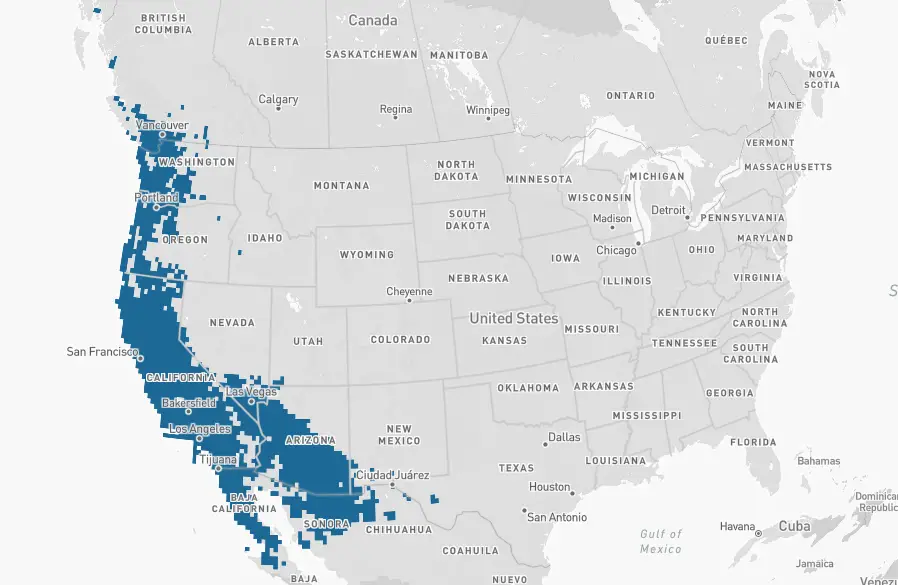
Black-chinned – The Black-chinned hummingbird overwinters primarily in Mexico. Black-chinned hummingbirds are seen in some years, during the winter months, in scattered areas throughout the USA, including Texas, Louisiana, Mississippi, Florida, Georgia, Arkansas, North Carolina, and as far north as Maryland and Pennsylvania.
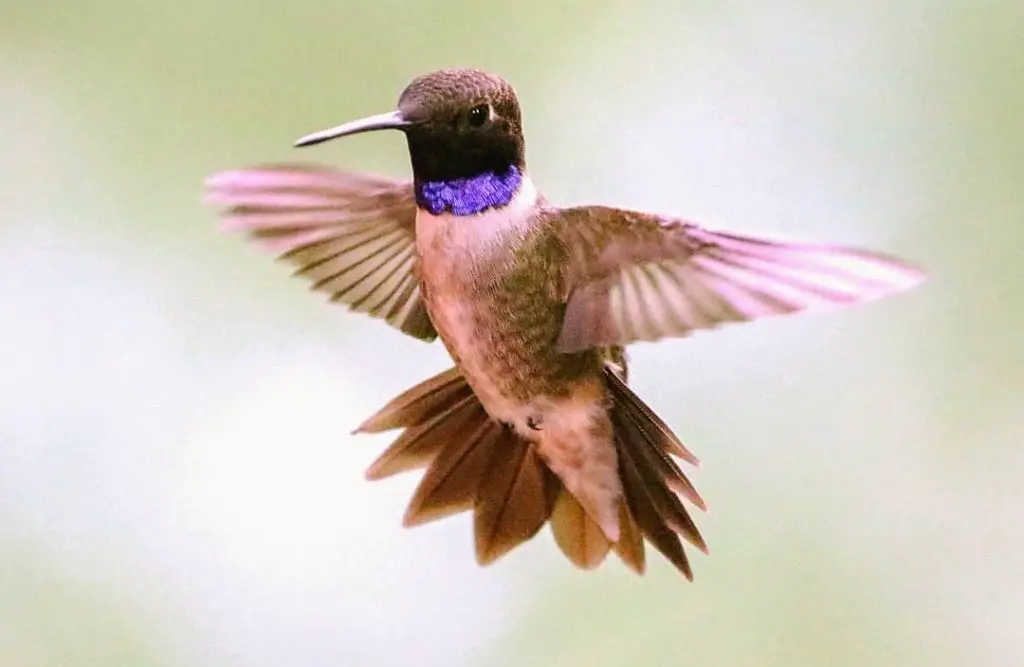
Photo by: bird.whisperer
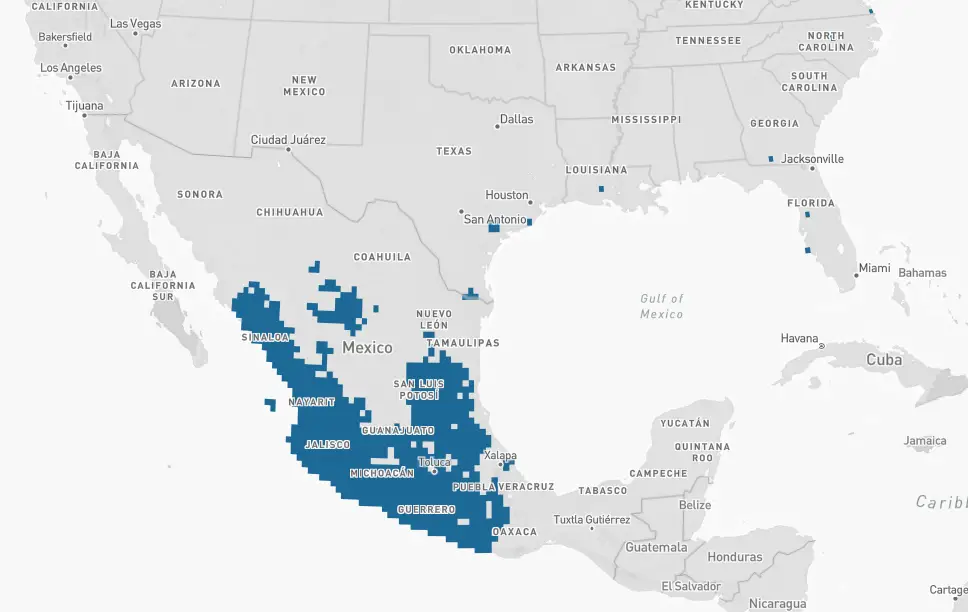
Mexican Violetear – The Mexican violetear hummingbird overwinters primarily in Mexico, Guatemala, and Honduras. Mexican violetear hummingbirds are seen in some years, during the winter months, in scattered areas throughout the USA, including Arizona, Texas, and Louisiana.
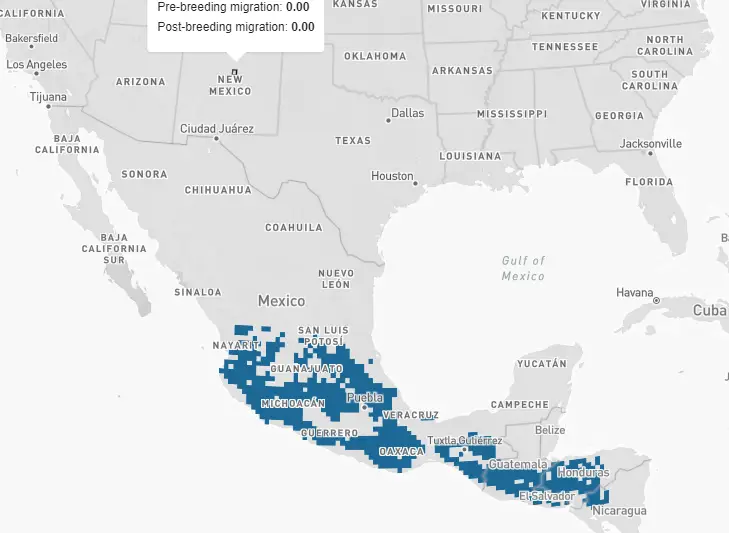
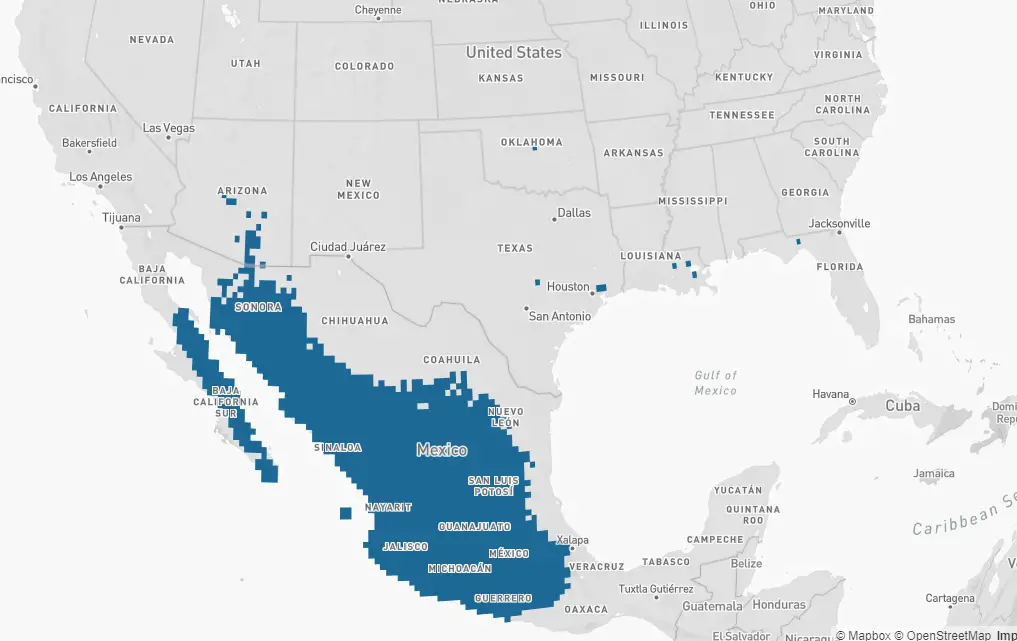
Broad-billed – The Broad-billed hummingbird overwinters primarily in Mexico. Broad-billed hummingbirds are seen in some years, during the winter months, in scattered areas throughout the USA, including Texas, Arizona, Louisiana, Florida, and Utah.
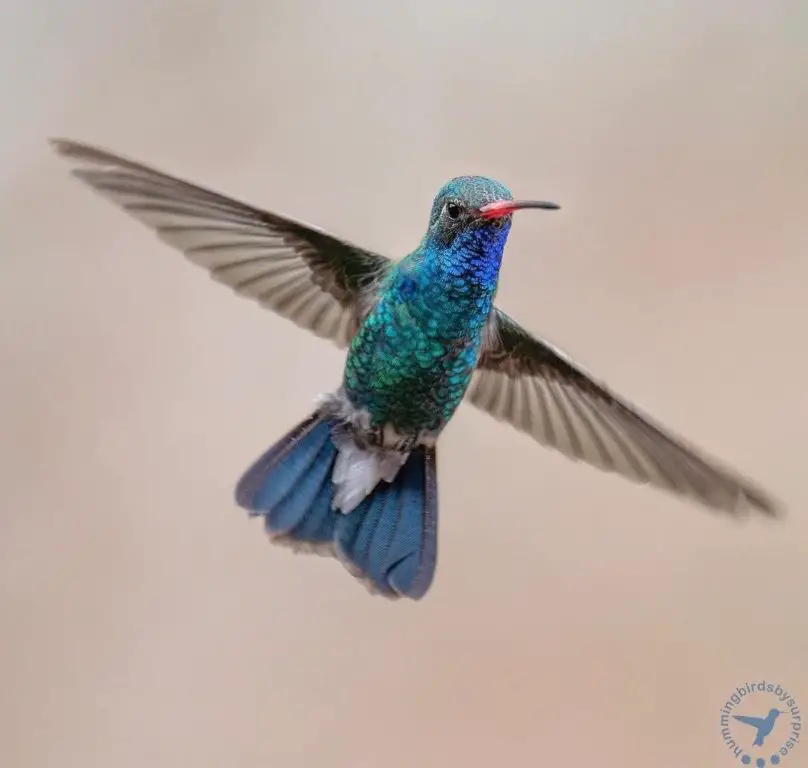
Photo by: hummingbirdsbysuprise
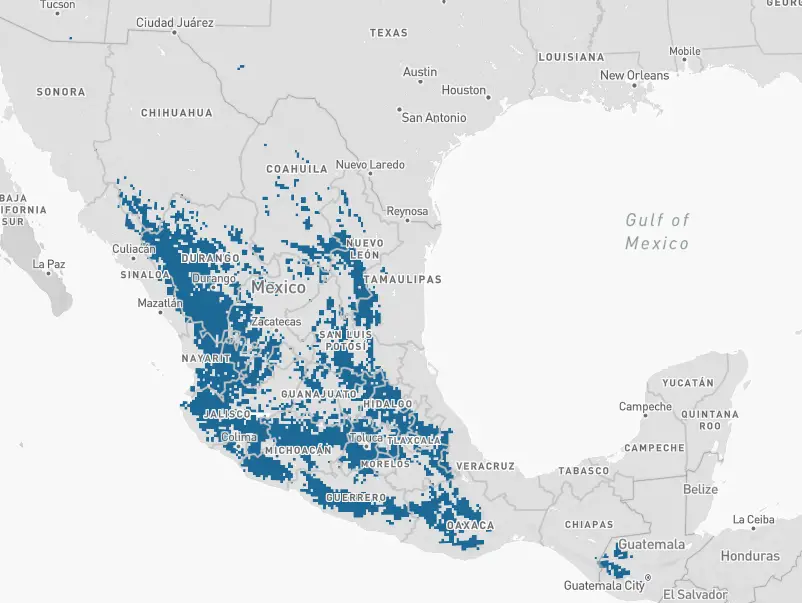
Broad-tailed – The Broad-tailed hummingbird overwinters primarily in Mexico and Guatemala. Broad-tailed hummingbirds are seen in some years, during the winter months, in scattered areas in Western Texas.
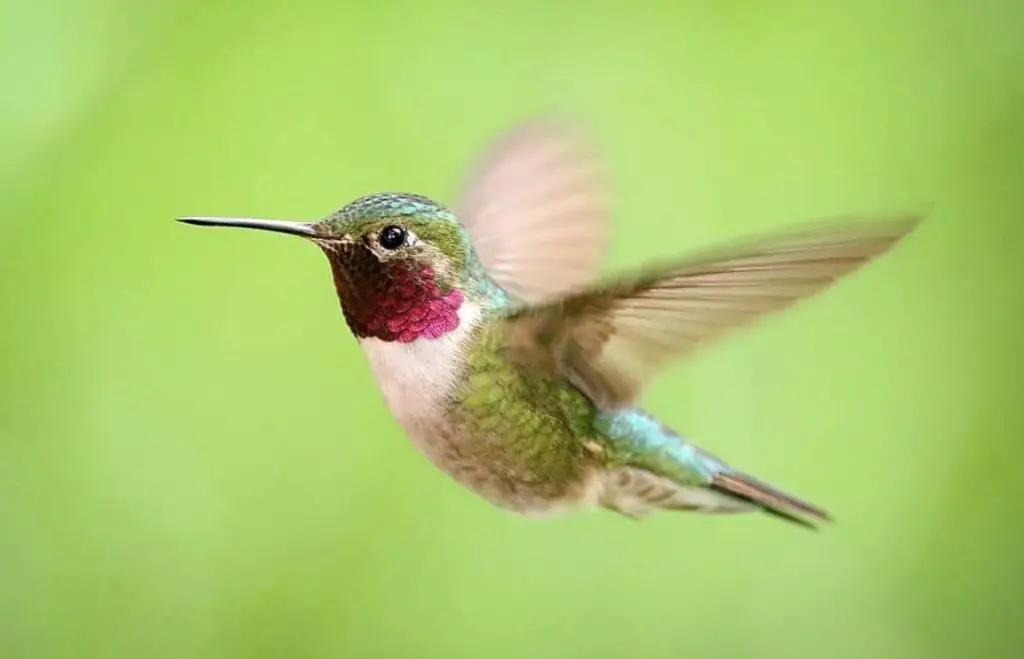
Photo by: bird.whisperer
Every hummingbird has an exceptional memory. Throughout their spring migration, they can recall every flower or feeder they visited, and they will revisit those spots every year.
Hummingbirds are seen to return to a feeder even after it has been removed for a few years.
See my article: Hummingbird Adaptation and Remarkable Ability to Locate Food
Check out my other posts on Hummingbird Questions
Happy Hummingbird Watching!
Backyard Visitors participates in affiliate programs which compensate us for referring traffic.
